Key Programming: Why Modern Car Keys Need More Than a Cut
What Makes a Modern Car Key Different
If you own a car built in the last twenty years, the key that starts it is not just a shaped piece of metal. Inside the plastic fob or the rubberised head of a flip key sits a small chip, sometimes called a transponder chip. When you insert the key or push a button, the car and the chip exchange a coded signal. If the code matches, the engine starts. If it does not, the immobiliser stays on and the car will not crank. This system has made theft much harder, but it also means that losing or breaking a key is no longer a simple trip to a hardware store with a blank.
A locksmith who works on cars today must understand electronics as well as metal filing. The old skill of cutting a key by hand or by machine is still needed, but for most modern vehicles it is only half the job. The other half is programming the new key so that the car recognises it as authorised. That is where an automotive locksmith service comes into its own. Without the programming step, a perfectly cut key is useless.
How Key Programming Works
Programming a key means teaching the car to accept a new transponder code. The process varies by make and model. On some vehicles, you can program a new remote key yourself by following a sequence in the owner’s manual, such as turning the ignition on and off a set number of times within a short window. On others, the car requires a diagnostic tool that communicates with its onboard computer. Many modern cars, particularly those from European manufacturers, need special software that only authorised dealers or locksmiths with the right equipment can access.
The programming tool connects to the car’s diagnostic port, usually located under the dashboard near the steering column. The locksmith uses the tool to enter the vehicle’s security system, erase the lost or stolen key from memory, and add the new key. On some systems, all existing keys must be present during the procedure because the car will erase them all and re-learn only the keys that are on hand. That is why having one working key can make the process simpler and cheaper than having none.
Remote Keys and Fobs
Beyond the basic transponder chip, many cars use a remote key fob that locks and unlocks the doors and may also start the engine remotely. Programming a fob often involves a separate step because the fob communicates with the car’s body control module, not just the immobiliser. Some fobs can be synchronised by a simple button sequence. Others require the same diagnostic tool used for the transponder. A few high-end cars use a system where the key does not even need to be inserted; the car detects the fob’s presence when it is inside the cabin and starts when the driver presses a button. Programming those keys is more involved and often requires online authorisation from the manufacturer.
When You Might Need Key Programming
The most common situation is losing all keys to a car. Without a working key, a locksmith must first gain entry to the vehicle, often by picking the lock or using a specialised tool to open the door. Then they must cut a new mechanical key from the lock’s code or from the vehicle identification number. Finally, they program the new key to the car. The same process applies if a key is stolen, because the stolen key should be erased from the car’s memory to prevent unauthorised use.
Another common need is when a key fob stops working. The fob may have a dead battery, a broken circuit, or a damaged chip. If the fob is physically damaged, a replacement must be programmed. Sometimes the car itself forgets the fob after a battery change or an electrical fault, and a simple re-synchronisation is all that is needed. A good automotive locksmith service can diagnose whether the problem is the fob, the car’s receiver, or the programming.
Car owners who buy a used vehicle sometimes receive only one key. Having a spare programmed while the existing key still works is far cheaper than waiting until the only key is lost. Many locksmiths recommend making a spare as soon as you buy a used car, especially if the car is more than a few years old. The cost of programming a spare key when you have a working one is usually much lower than a full emergency callout.
Proof of Ownership Is Required
Because key programming can bypass a car’s security, locksmiths and dealers require proof that you own the vehicle before they will program a new key. Typically, you need to show the vehicle registration document and a photo ID. Some shops also ask for proof of insurance. This requirement protects both the locksmith and the car owner. If you are having a key programmed for a vehicle that belongs to a business or a rental fleet, you may need authorisation from the company. Always have your paperwork ready before you call.
What to Expect from a Professional
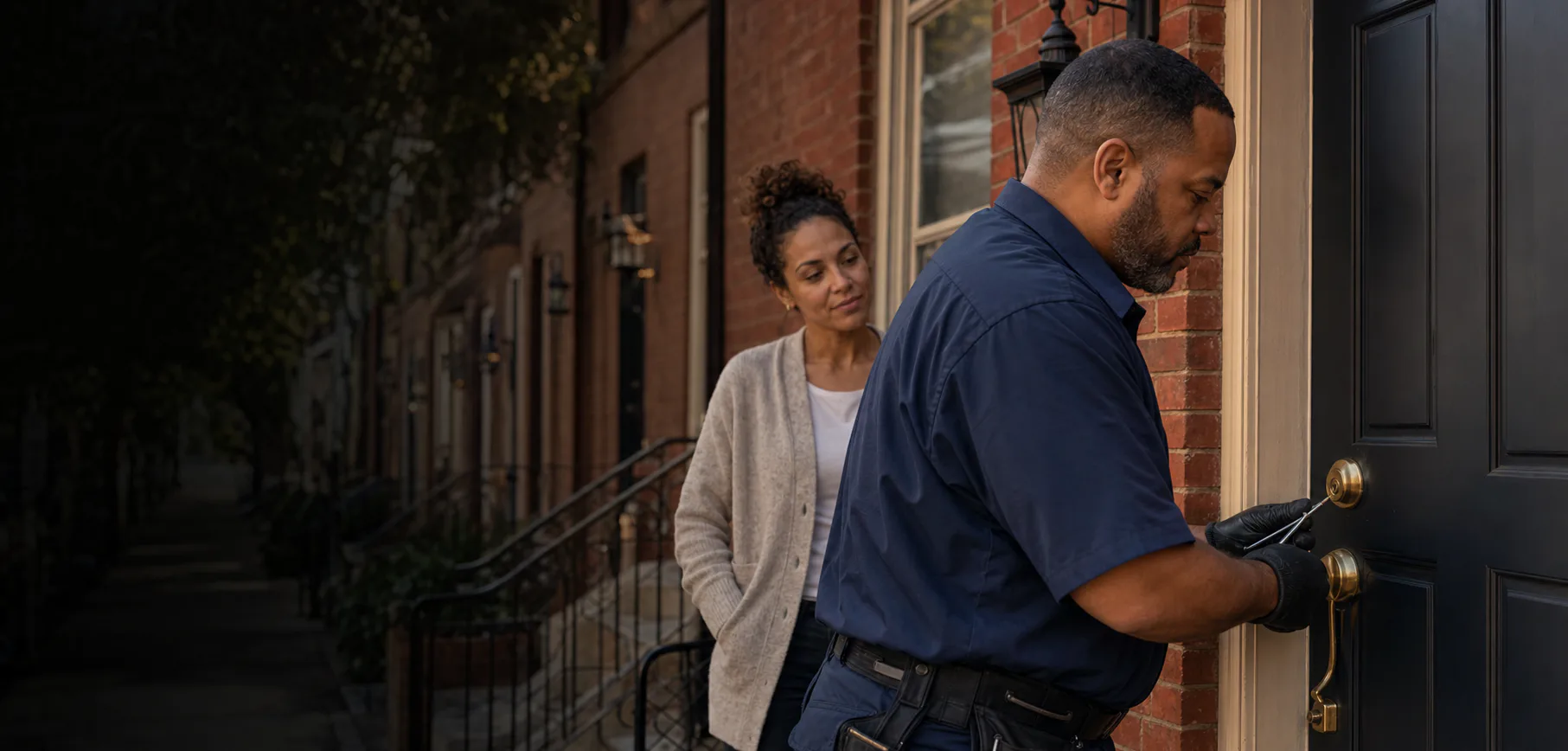
When you contact a locksmith for a car key issue, they will ask for the year, make, and model of the vehicle. They may also ask whether you have any existing keys. This information lets them know what equipment and blanks to bring. A locksmith who specialises in automotive work carries a range of transponder chips, fobs, and programming tools. For most cars, the work can be done on site, whether at your home, your office, or the roadside.
The time required varies. A simple key cut and transponder program on a common model might take twenty minutes. A more complex system, especially one that requires online authorisation or dealer-level software, can take an hour or more. The locksmith should explain what they are doing and how long it will take. If you are in a hurry, ask whether they can prioritise your job.
For many car owners, the idea of key programming sounds intimidating. The truth is that modern locksmiths handle it every day. Their tools and training have kept pace with car technology. The key is to call someone who specifically offers that skill rather than a general handyman or a shop that only cuts keys. That is where professional car key support matters. A locksmith who understands both the mechanical and electronic sides of the job can save you time, money, and the frustration of a key that looks right but does not work.
When to Call a Dealer Versus a Locksmith
Some car owners assume that only a dealership can program a new key. That was true for some models a decade ago, but today most locksmiths have the equipment to handle the majority of cars. Dealers often charge more and may require you to tow the car to their service centre. A locksmith comes to you. For luxury or very new models, especially those with advanced security systems, a dealer may still be the only option. However, for the vast majority of cars on the road, a skilled locksmith can do the job.
The choice also depends on the type of key. A basic transponder key is almost always within a locksmith’s scope. A key with a remote fob that also includes a proximity sensor for keyless entry may be more challenging. Some manufacturers use rolling codes that change each time the key is used, and programming those requires access to the manufacturer’s database. A locksmith who invests in the latest tools can handle many of those, but if your car is very new or rare, it is worth asking ahead.
Keeping Your Spare Key Functional
Once you have a spare key, keep it somewhere safe but accessible. Do not leave it in the car. A key that stays in the glovebox is useless if the car is locked and the key is inside. If you have a key that uses a battery, check the battery every year or two. A dead battery in a fob does not mean the transponder chip is dead; the chip usually still works when the key is inserted into the ignition, but the remote functions will not. Replace the battery promptly to avoid being locked out.
If your spare key stops working, have it checked before you need it. A locksmith can test whether the chip is still transmitting and whether the fob’s electronics are intact. Sometimes a simple battery change or re-synchronisation is enough. Other times the chip has failed and needs replacement. Catching it early means you can order and program a new key at your convenience rather than in an emergency.
Modern car keys are small computers. They are reliable, but they are not indestructible. Dropping a key in water, running it through a washing machine, or sitting on it can damage the internal components. If your key gets wet, remove the battery immediately and let it dry completely before testing. Rice or silica gel can help, but there is no guarantee. A damaged chip will need replacement and programming.
For anyone who drives a car with an electronic key, understanding the difference between cutting and programming is the first step to avoiding a stressful situation. The key that starts your car is a sophisticated piece of technology. When it fails or goes missing, the solution involves both a physical cut and a digital handshake. A locksmith who offers an automotive locksmith service brings both skills to the job. Whether you need a spare made, a lost key replaced, or a fob re-synchronised, professional car key support can get you back on the road with a key that works the first time.